Why Eco-Friendly Products Cost More (And Why It鈥檚 Worth It)
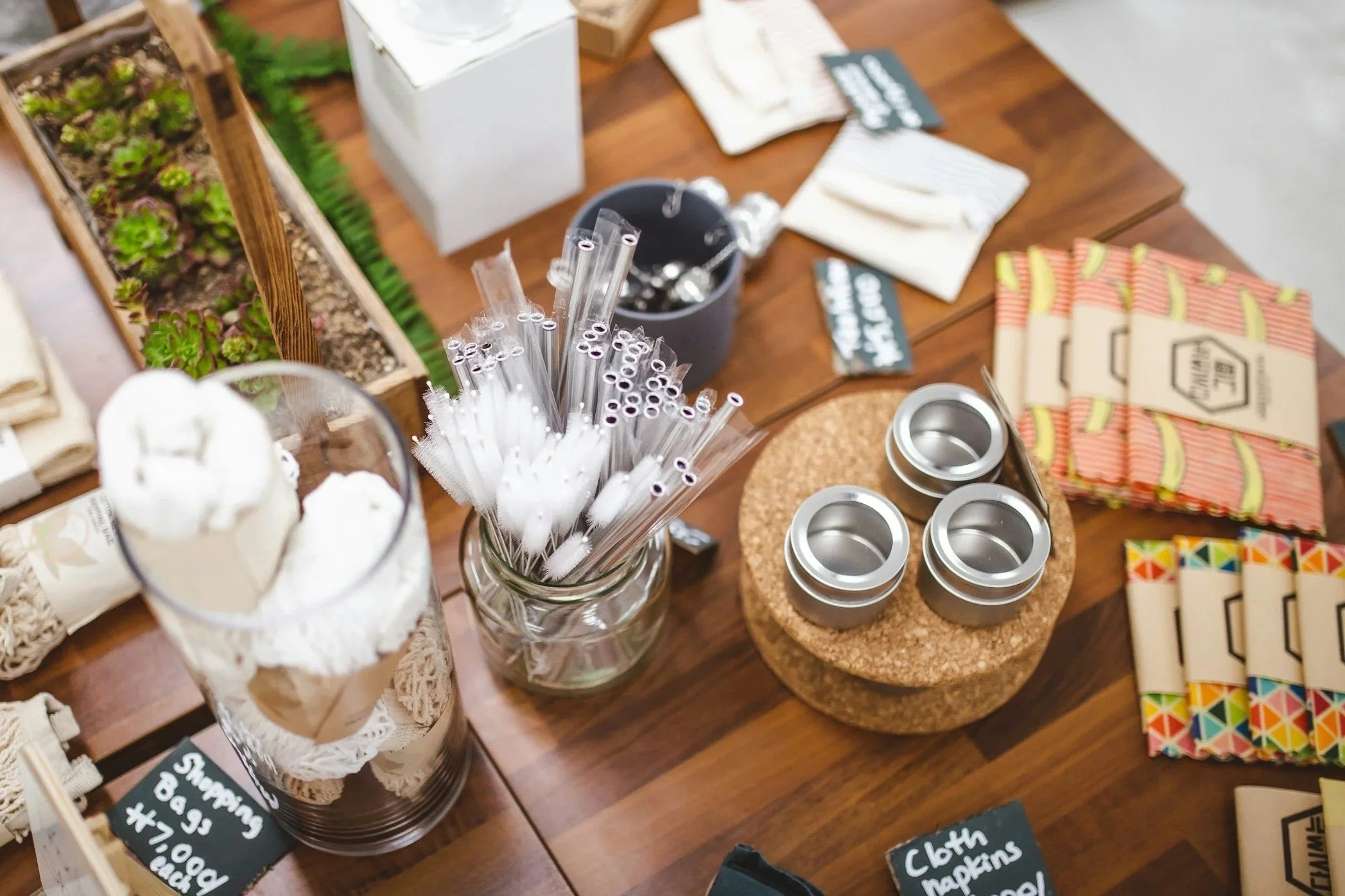
Image Credit: Unsplash
Price is often the primary factor in purchasing decisions for many American consumers. While considerations such as product quality, long-term value, and environmental impact have become more important over time, cost ultimately determines whether a product is affordable and widely adopted.
Sustainably produced or responsibly sourced alternatives to everyday goods often cost more than conventional options. For many consumers, this difference can feel discouraging and raises a common question: is sustainability only accessible to those with higher incomes? When a reusable household product costs significantly more than a disposable alternative, the value of that investment is not always immediately clear.
What is discussed less often are the broader benefits of purchasing sustainable products. Beyond their environmental impact, these products are frequently associated with stronger labor standards, more transparent supply chains, and longer-term economic benefits. Their higher price reflects factors beyond simple markup, and their value extends beyond the point of purchase.
Before considering why these products may be worth the cost, it is important to understand why sustainably produced goods are often priced higher to begin with.
The Materials: What You鈥檙e Really Paying For
Sustainable Sourcing
Eco-friendly manufacturing practices start at the source. When businesses mark their eco-friendly products as 鈥渟ustainably sourced鈥�, it signals to the consumer that the product was made with environmental, social, and ethical protections in mind. It generally prioritizes plant-based, biodegradable products over petroleum-based ones.
The process of sustainable manufacturing often starts on the farm. The growing methods for products like wheat, corn, cotton, and soybeans can have a dramatic impact on the immediate environment; eco-friendly products will opt for those that reduce that impact as much as possible.
More sustainable farming methods involve using fewer pesticides and fertilizers, meaning less environmental damage and a safer farming process. But it also takes longer to grow and, without heavy-duty protection from insects, animals, and a plethora of plant diseases, often produces lower yields. That means the cost to produce it is higher and is often reflected in the final price of products that use them.
Sustainable Packaging
Then there鈥檚 the materials used for packaging. Eco-friendly packaging often uses recycled or reusable materials like paper, cardboard, compostable bioplastics, and PET or HDPE plastics, but the recycling process isn鈥檛 cheap. It involves collection (sometimes from far distances), transportation, sorting, processing, and labor. The machinery is expensive, and the process is sensitive to contamination鈥攎eaning a whole batch of recyclable material can be lost if something goes wrong. This process is more complicated than simply sourcing virgin papers and plastics, which are often the cheapest options and whose price does not currently reflect their negative externalities on the planet.
Ultimately, you鈥檙e paying for a cleaner, safer supply chain from start to finish. It just costs a little more to make it that way.
Ethical Labor and Quality Manufacturing
Another key reason for the higher cost of sustainable products lies in how they鈥檙e manufactured鈥攁nd by whom. Ethical manufacturing practices will generally involve fair pay, safe working conditions, and labor protections that aren鈥檛 always prioritized in conventional product manufacturing. Businesses that produce sustainable products often commit to values like fair trade, transparency, and workplace safety 鈥� all of which come with a price tag.
Then there are the certifications. Think USDA Organic, Fair Trade, OEKO-TEX, and more. These certifications often require rigorous audits, traceability, and compliance with strict production standards. While they help consumers trust a product鈥檚 sustainability claims, they also add costs for businesses, which may be reflected in the final product price.
Still, eco-friendly products worth the extra costs often come with the peace of mind that no shortcuts were taken to bring them to market.
The Demand Problem: Why Less Popular Means More Expensive
Economies of scale play a huge role in product pricing. Simply put: the more of something you make, the cheaper it becomes to produce each item. Unfortunately, for a long time, eco-friendly products were considered niche 鈥� purchased primarily by a small subset of consumers willing to pay a premium for sustainability.

The Eco Flamingo Zero Waste General Store in Lincoln Square
In the past, low demand stemmed from multiple factors: limited awareness of environmental issues, lack of availability in mainstream stores, higher price points, and skepticism about whether "green" products were truly better. Many consumers prioritized convenience and cost, gravitating toward readily available, low-cost alternatives 鈥� like single-use plastics and fast fashion 鈥� that were produced at massive scales with few regulations.
Plastic and single-use products exploded in popularity during the mid-20th century because they were cheap, easy to produce, and marketed as modern conveniences. Their demand skyrocketed, which allowed manufacturers to invest in infrastructure and scale operations, further lowering costs and making these items even more accessible. Meanwhile, sustainable alternatives remained on the fringes, lacking the volume and investment needed to compete on price.
But here鈥檚 the good news: that鈥檚 starting to change.
In recent years, consumer demand for sustainable products has been steadily increasing, driven by growing climate awareness, environmental activism, and transparency in brand practices. Millennials and Gen Z, in particular, are pushing for change 鈥� seeking out ethical, eco-conscious brands and using their purchasing power to make a difference. Social media trends like , long-form media like , and traditional education have played a huge role in shifting public perception and behavior.
As more consumers prioritize sustainability, manufacturers are responding by expanding eco-friendly product lines and investing in better materials, practices, and technologies. This growing demand enables producers to scale up operations, reducing per-unit costs and making sustainable products more competitive with conventional ones.
It鈥檚 a classic case of supply following demand 鈥� and the more we ask for eco-friendly products, the more affordable and widespread they鈥檒l become.
How It Benefits the Consumer: Longevity and Value
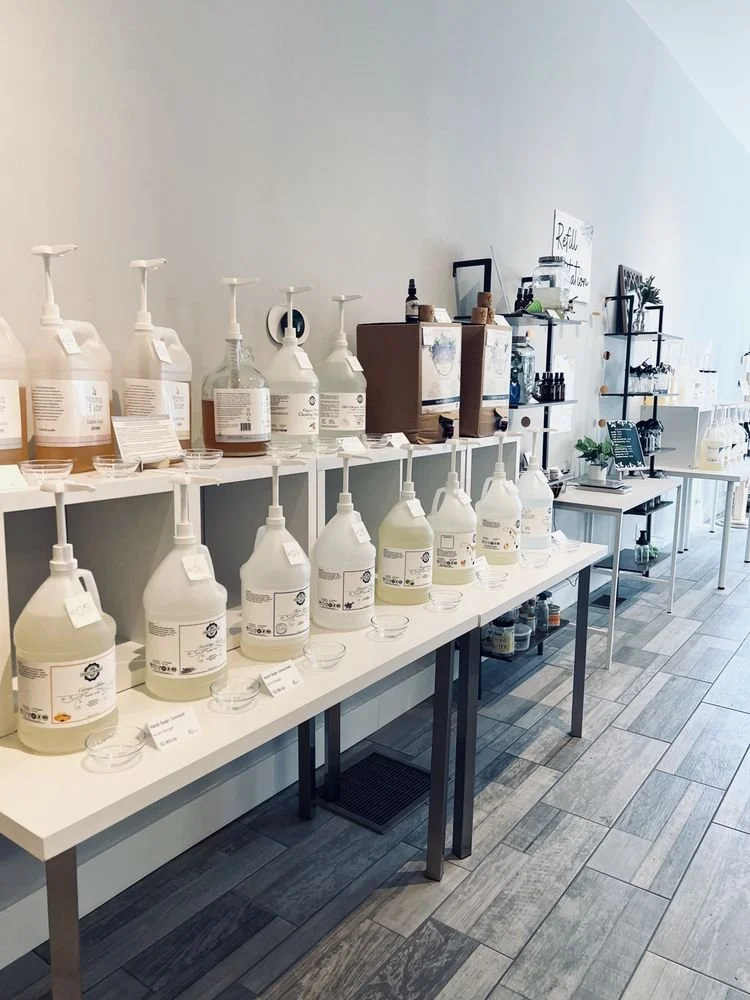
The Refilleri store, Humboldt Park
The question of value is central to the discussion of sustainable products. Are eco-friendly alternatives worth their higher upfront cost? And do they end up paying for themselves over time?
Consider Swedish dish cloths, which are considered a reusable replacement for disposable paper towels. They retail for $2.50 - $8 each, depending on where you shop. While this price may initially seem high, each cloth can replace hundreds of paper towels. Over time, this single purchase both reduces waste and lowers overall household spending.
Clothing provides another clear example.. In contrast, brands such as Patagonia focus on durability and longevity, offering products designed to last for years and, in many cases, repair programs to extend their lifespan. Although the upfront cost is higher, the cost per wear is significantly lower over time.
Reusable water bottles from brands like Hydro Flask and S鈥檞ell have similarly demonstrated their value. A stainless steel bottle may cost $30 or more, but it replaces hundreds of single-use plastic bottles, dramatically reduces your exposure to microplastics while drinking, and offers practical benefits such as temperature retention and durability.
In the personal care category, companies like By Humankind and Rustic Strength offer products in refillable or compostable packaging. These options reduce plastic waste, last longer than many conventional alternatives, and allow consumers to save money through refills rather than repeated container purchases. 糖心视频 Co-Founder, Katherine Tellock, recently analyzed her eco-friendly swaps and determined that by switching from a mid-tier disposable plastic razor to a stainless steel safety razor, she has saved roughly $95 over the last 5 years, and enjoyed a better product experience. By switching from disposable dryer sheets to reusable wool dryer balls, she enjoys a natural, plastic-free alternative and may never need to spend money on a replacement again.
Home goods such as Stasher bags鈥攔eusable silicone alternatives to plastic sandwich bags鈥攁lso provide long-term savings. Though priced higher upfront, they are durable, dishwasher safe, and eliminate the need for frequent replacement of disposable bags.
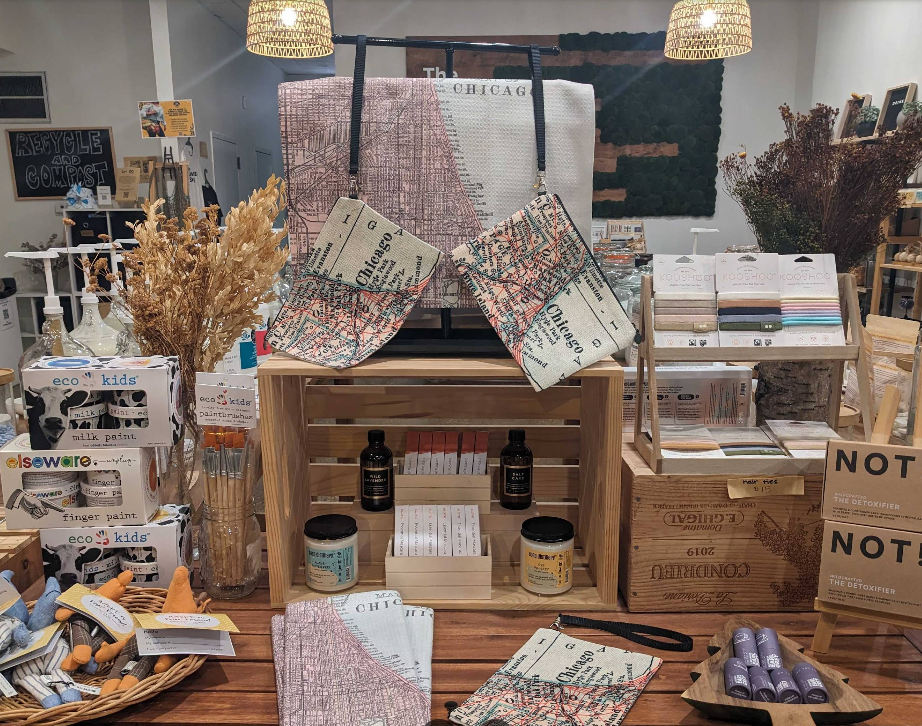
The Unwaste Shop, Beverly
Across the board, sustainable products consistently deliver higher quality, longer lifespans, and fewer replacements, resulting in measurable cost savings over time. They also help raise industry standards by demonstrating that ethical production and sustainability can coexist with performance and convenience. As these durable products replace disposable or short-lived alternatives, consumers often find themselves shopping less frequently. This reduced need for constant replacement saves time and limits exposure to impulse purchases and unnecessary spending.
Taken together, eco-friendly products represent a practical investment鈥攏ot only in environmental responsibility, but also in long-term financial value and everyday efficiency.
The Future: Making Sustainability More Accessible
How, then, can the cost of sustainable products be reduced?
First, increased consumer demand plays a critical role. Each purchase of an eco-friendly product signals to manufacturers and retailers that sustainability is a priority worth continued investment. As demand grows, production scales, efficiency improves, and costs decline.
Government incentives are also an important driver. Policies that support environmentally responsible businesses, subsidize sustainable agriculture, and encourage cleaner manufacturing practices can reduce costs for producers and, in turn, consumers. While political priorities may change over time, broader momentum toward sustainability continues to build.
Finally, technological innovation is a key factor. Advances in recycling systems, regenerative agriculture, biodegradable materials, and supply chain transparency are steadily lowering the cost of sustainable production. As these technologies mature and become more widely adopted, eco-friendly products are likely to become increasingly affordable.
The Ultimate Value of Sustainable Products
Eco-friendly products often cost more because they reflect the true costs of responsible production, including fair labor practices, higher-quality materials, transparent supply chains, and environmentally responsible manufacturing. In return, they typically offer better performance, longer lifespans, and measurable benefits beyond the point of purchase.
Although sustainable products are often priced at a premium, they deliver value for the environment, for workers, and for consumers. As demand continues to grow, these products are likely to become more affordable, more accessible, and more widely adopted.
When considering whether eco-friendly products are worth the added cost, it is worth recognizing that the investment supports products that are better made, more durable, and more aligned with long-term environmental and social goals. To find a list of sustainable shops and services in the Chicagoland area, please check out our Sustainable Shops page.

ARTICLE WRITTEN BY
, Blog Manager & SEO Specialist for the 糖心视频