Getting Started With Native Gardening
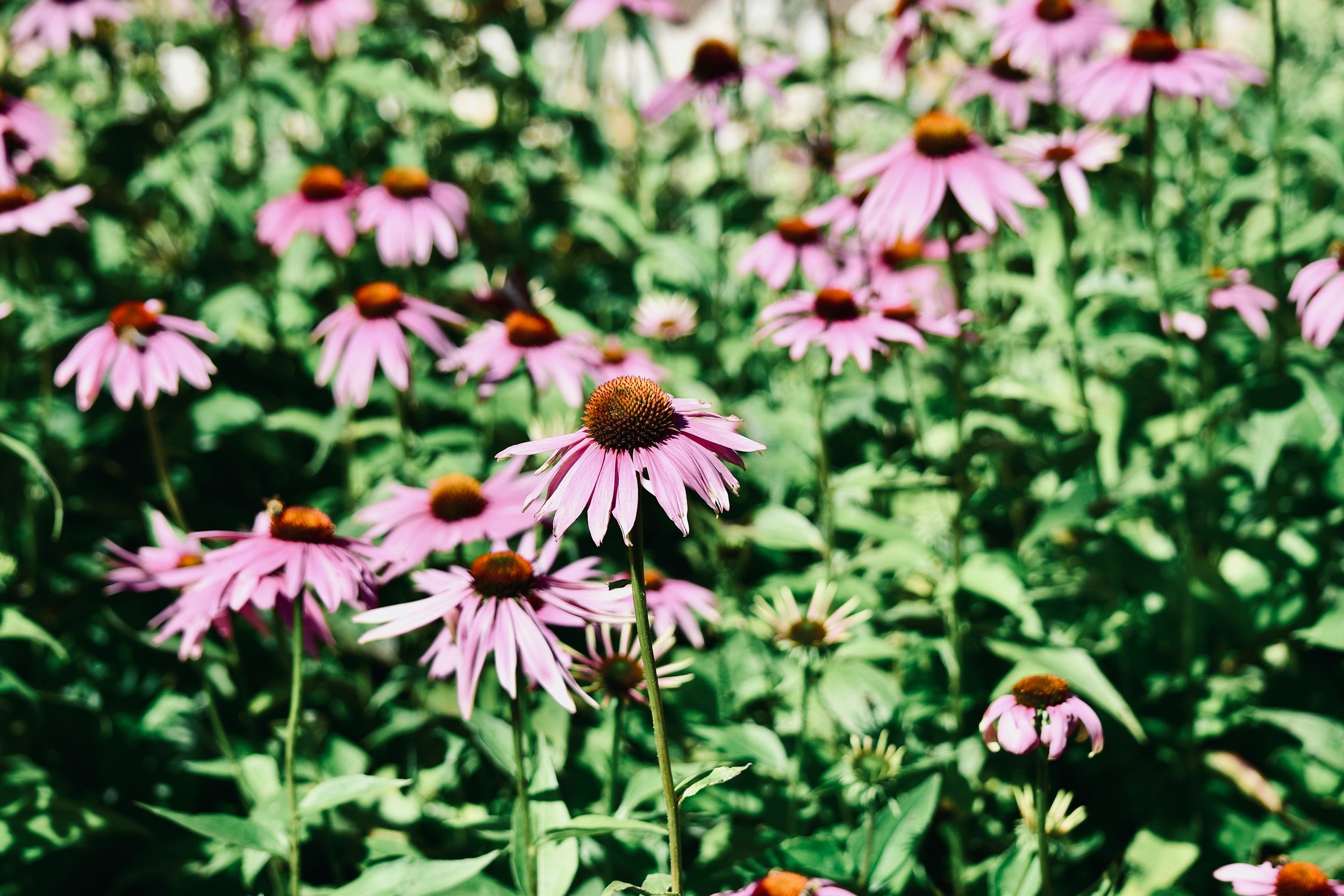
Purple Coneflowers are native to the Chicago region. Photo by on
Gardening with native plants is gaining in popularity, but it鈥檚 easy to get overwhelmed by all of the information that is available.
In the Chicago region, . Local garden centers and nurseries report rising demand, with some Chicago-area businesses seeing native plant sales nearly double in recent years.
Online communities dedicated to native plants in northern Illinois have also grown quickly, with thousands of gardeners sharing tips and plant swaps. Landscaping companies that specialize in native gardens report increased requests for prairie-style yards and pollinator gardens as more homeowners look for alternatives to traditional turf lawns.
Native gardening has become part of a broader shift toward gardening practices that work with local ecosystems rather than against them. And the good news is that getting started doesn鈥檛 have to be complicated.
We鈥檙e collaborating with our friends at the 糖心视频 to help you get started on native gardening in your own home and to spread the word on its benefits throughout your local community!
What are native plants?
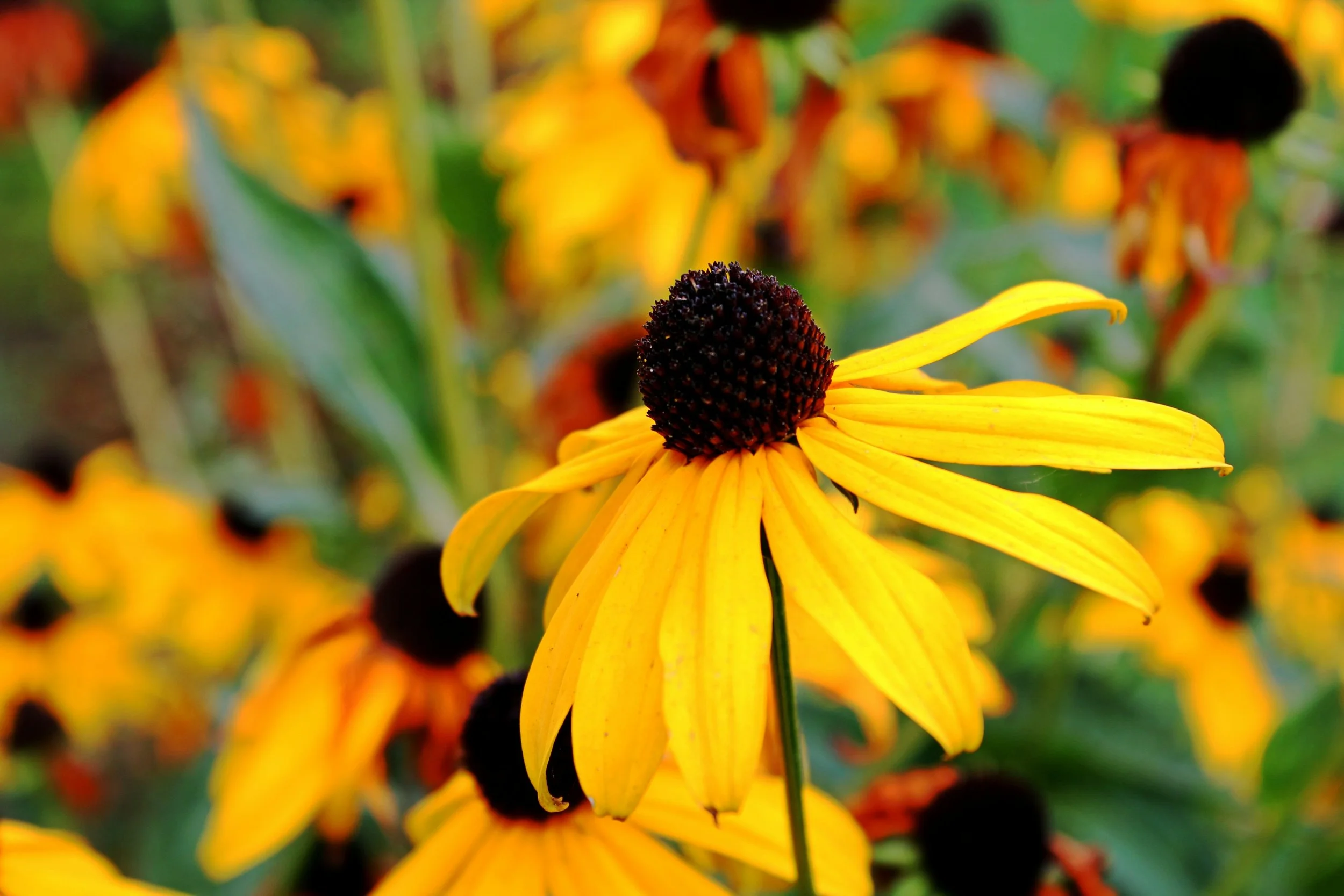
Black-eyed Susans are considered a staple plant of the Chicagoland area. Photo by on
are plants that have existed in a region prior to European settlement. These plants have evolved for thousands of years as integral parts of local ecosystems and habitats.
When people think of native plants in the Chicago region, prairie flowers are often the first to come to mind. One well-known example is purple coneflower, which has large daisy-like petals in shades of pinkish purple that droop slightly around a spiky, orange-brown center cone. These flowers stand tall on sturdy stems and bloom through much of the summer. Another common prairie plant is black-eyed Susan, a bright yellow flower with a dark brown center that looks almost like a tiny sunflower.
Grasses are also a huge part of our native landscape. Big bluestem, sometimes called 鈥渢urkey foot鈥� because of the shape of its seed heads, can grow six to eight feet tall. In late summer and fall, the tops turn a soft purplish bronze. Little bluestem is shorter but just as beautiful鈥攊ts thin blue-green blades turn coppery orange in the fall, adding warm color to fields and gardens.
Together, these plants create landscapes that are colorful, dynamic, and full of life. They may look different from the ornamental plants often found in traditional gardens, but they are uniquely suited to the Chicagoland environment. When you start noticing them, you鈥檒l see that they bring their own kind of beauty to parks, prairies, and backyards throughout the region.
What are the benefits of planting native plants?
Because native plants have evolved to live healthy lives in local conditions, they generally thrive in this environment and are lower maintenance than many non-native plants, making them well-suited for our gardens. It is a common misconception, however, that these plants require no care; any garden will need some level of care and every landscape will require stewardship.
Native plants also provide food and shelter to local wildlife. They act as a source of pollen and nectar for local insect populations, yes, but many native plants (including trees and shrubs) are also host plants for insect larvae as they complete their life cycles. Others provide for insects in their hollow stems, and many birds and mammals rely on the seeds of native plants for food (particularly in the winter).
The natural beauty鈥攁nd durability, in particular鈥攐f native plants makes them beyond valuable to their ecosystems, with even European horticulturalists praising their quality and significance.
Native plants are making a comeback with us now, too鈥攁nd now you can become part of the movement to solve challenges in our landscape with the ones nature designed for us thousands of years ago!
How do I source native plants?
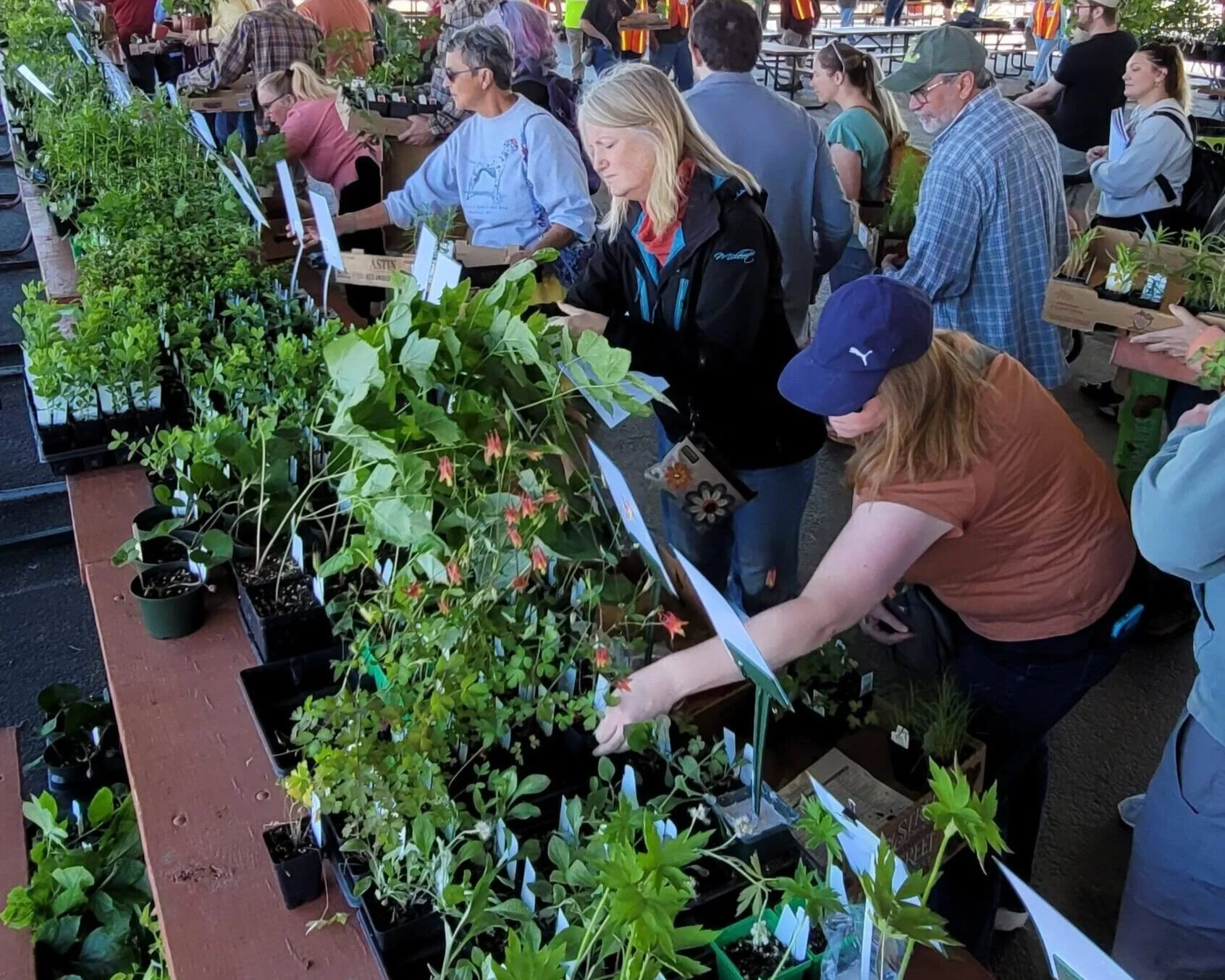
The Illinois Native Plant Society hosts annual native plant sales, usually sometime in May. Photo credit:
While native plants are growing in popularity, it can still be tricky to find them as a home gardener.
The best source is local native plant sales. The posts a schedule of plant sales, so it is easy to find one in your area. Native plant sales will often sell plants well below other retail sellers.
For retail purchases, it is best to use that have ethical practices and do not use pesticides and other chemicals on the plants.
Avoid big box stores, as they often use chemicals that can harm pollinating insects.
How do I add native plants to my garden?
Start small. Don鈥檛 try to do much right away or you will become overwhelmed. Assess the light, soil, and moisture conditions in your garden and research the plants that have adapted to those conditions. is a great resource for searching and filtering based on site conditions. offers detailed information about plants native to Illinois.
A rule of thumb is to try to have three different species of plants blooming per season, but don鈥檛 worry if your space is small and won鈥檛 allow that. Every little bit of habitat and beauty you can add is a step in a healthier direction!
The first two years are the most important to a new garden or a new plant being added to the garden. While many native plants are considered to be drought tolerant, they require adequate watering while establishing themselves in the first two years. It is also important to minimize the presence of weeds and aggressive neighboring plants while new plants are establishing their root systems and crowns so that the new plants are not deprived of light and other resources.
Can I have a container garden with native plants?
Yes! Many city residents do not have access to greenspaces in which they can garden other than their balconies and porches. .
糖心视频 Resilient Design, LLC
is a garden and landscape design, installation, and stewardship firm in Chicago that creates natural gardens and landscapes for the built environment using sustainable methodologies informed equally by horticulture and ecology.
Resilient Design is a .
ARTICLE WRITTEN BY
Chris Baran, Founder of Resilient Design. Chris has a background in sustainable landscapes and teaches Perennial Plant Communities in the Horticulture School at the College of DuPage. He regularly speaks to professional organizations, non-profits, and garden groups about native plants, perennial garden design, and garden stewardship.